

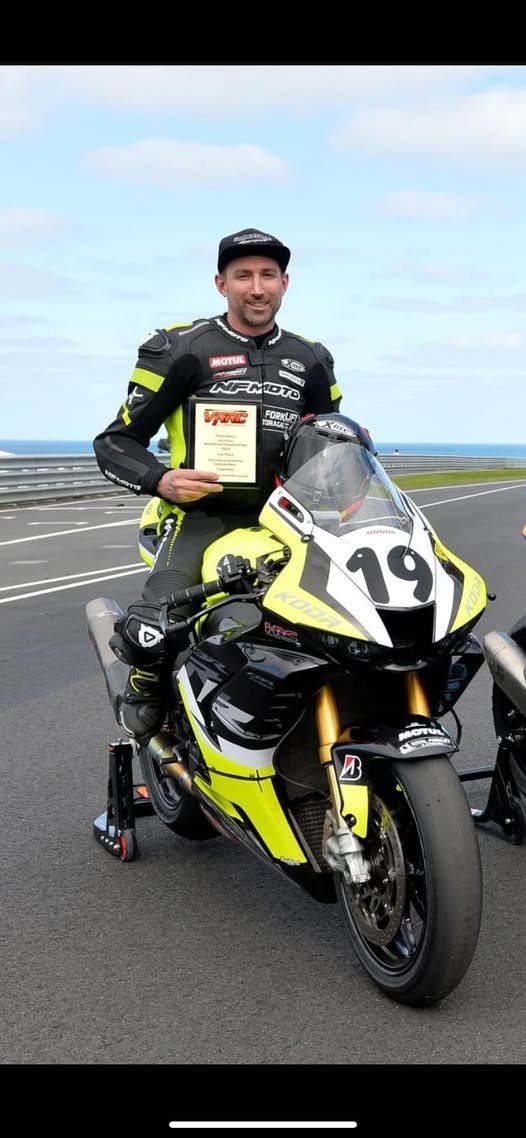
Fit, Safety & Standards — Fit
How a Race Suit Should Fit: Signs It's Right, Signs It's Wrong
A correctly fitted race suit keeps armour positioned over the joints it's meant to protect through a full range of riding motion, not just while standing still. This guide covers the specific, checkable signs that a suit fits correctly or doesn't, so a fit problem can be caught and corrected before it matters.
By NFmoto Technical Team · Last updated 23 July 2026 · 4 min read
A race suit that looks correctly sized while standing still can still be genuinely wrong once actually ridden in, because riding position bears little resemblance to standing upright. Checking fit properly means checking it in the positions the suit will actually be used in (tucked forward, weight shifted, knee down) not just in front of a mirror.
Why Standing-Still Fit Isn't Enough
Certification testing (covered in our CE standards guide) happens on a static test garment, not on an individual rider moving through a riding position. A suit that appears to fit correctly standing upright can still ride up at the wrists when reaching forward to the bars, pull tight across the shoulders when tucked, or bunch at the hip when the knee comes down in a corner. None of this is visible until the suit is actually tested in motion. This is exactly why a genuine fit check needs to happen in a simulated riding position, not just standing still.
Checking Armour Placement
Check a specific armour zone
Armour only protects effectively when it's actually positioned over the joint it's meant to cover, which means checking each impact zone individually rather than assuming a correctly sized suit automatically gets this right. Shoulder armour should sit directly over the point of the shoulder when the arm is extended forward into a riding position, not riding up toward the collarbone or slipping down the upper arm. Elbow armour should cover the point of the elbow with the arm bent, not sitting above or below it. Hip armour should align with the hip joint when seated in a riding crouch, and knee armour should cover the kneecap fully when the knee is bent, the position it's actually in for most of a ride.
A useful practical check: get into a rough approximation of a riding position (leaning forward, weight on the arms, knees bent as if on the pegs) and check each armour zone again in that position, not just standing straight. Armour that was correctly placed standing upright can shift meaningfully once the body moves into an actual riding posture.
Check every armour zone again while leaning forward, weight on the arms, knees bent — armour correctly placed standing upright can shift once you move into a riding posture.
Signs the Fit Is Right
A handful of concrete signs indicate a genuinely good fit. The suit should allow a full range of shoulder movement without the material pulling tight across the back or restricting reach to the bars. Sitting in a tucked position shouldn't cause the collar to choke or the chest to feel compressed. There should be no significant excess material bunching at the waist, elbows, or knees when moving through a riding position. A small, uniform amount of ease is normal and expected, but loose folds of material are not. Boots should tuck cleanly under the ankle cuffs without a gap that could let debris or air in during a slide. Overall, the suit should feel like it disappears once moving, rather than requiring constant adjustment or awareness of where it's pulling or bunching.
Signs the Fit Is Wrong
Equally concrete warning signs indicate a fit problem worth addressing before the suit is used, not after. Any armour that visibly shifts position when moving between standing and a riding crouch is a real issue, not a minor cosmetic one. It means the armour won't reliably be where it's needed during an actual incident. Restricted shoulder or arm movement that prevents comfortably reaching the bars in a tucked position limits both comfort and control. Excess material bunching significantly at the joints, particularly the elbows and knees, can catch or fold in a slide in a way that compromises how the suit performs. A collar or cuff that's uncomfortably tight standing still will generally feel worse, not better, once actually riding, since riding positions typically increase rather than relieve tension at the neck and wrists.
Any of these signs on a new suit are worth addressing directly with the manufacturer before the suit sees real use, rather than assuming they'll "break in" and resolve themselves. Some minor settling is normal with any new leather garment, but genuine armour misplacement or serious material bunching won't correct itself through wear alone.
Minor settling is normal in new leather. Genuine armour misplacement or serious bunching won't correct itself through wear — address it directly with the manufacturer.
At a Glance
| Signs the fit is right | Signs the fit is wrong |
|---|---|
| Full shoulder movement without material pulling | Armour visibly shifts between standing and a riding crouch |
| No choking or chest compression when tucked | Restricted movement reaching the bars in a tucked position |
| No significant bunching at waist, elbows, or knees | Excess material bunching significantly at the joints |
| Boots tuck cleanly under ankle cuffs, no gap | Collar or cuff uncomfortably tight, worse when riding |
How NFmoto's FitFirst Process Addresses This
This is precisely the problem NFmoto's FitFirst system is built to solve. Rather than cutting leather directly against submitted measurements, a textile trial garment is built first, typically within 7–14 days, specifically so fit can be checked and adjusted before any leather is committed. Trying on the trial garment in a genuine riding position, not just standing in front of a mirror, is exactly the check described throughout this guide, applied at the one point in the process where an adjustment is still cheap and straightforward to make.
Any of the fit issues described above, if identified during the FitFirst stage, get corrected before leather production begins. This is a meaningfully different guarantee than a suit shipped directly against a measurement form with no fit-verification step, where the same issues, if they exist, only become apparent once the finished suit arrives.
Common Questions
Why doesn't standing-still fit tell me whether a suit fits correctly?
What's the single most important thing to check?
Is some tightness normal in a new leather suit?
How does FitFirst catch fit problems before they matter?
Should I try the trial garment on standing still or in a riding position?
What if I notice a fit issue after my suit is already delivered?
Continue Reading
See the FitFirst Process in Full
The trial-garment system that catches fit issues before your suit is ever cut in leather.